
The new workplace KPI: belonging
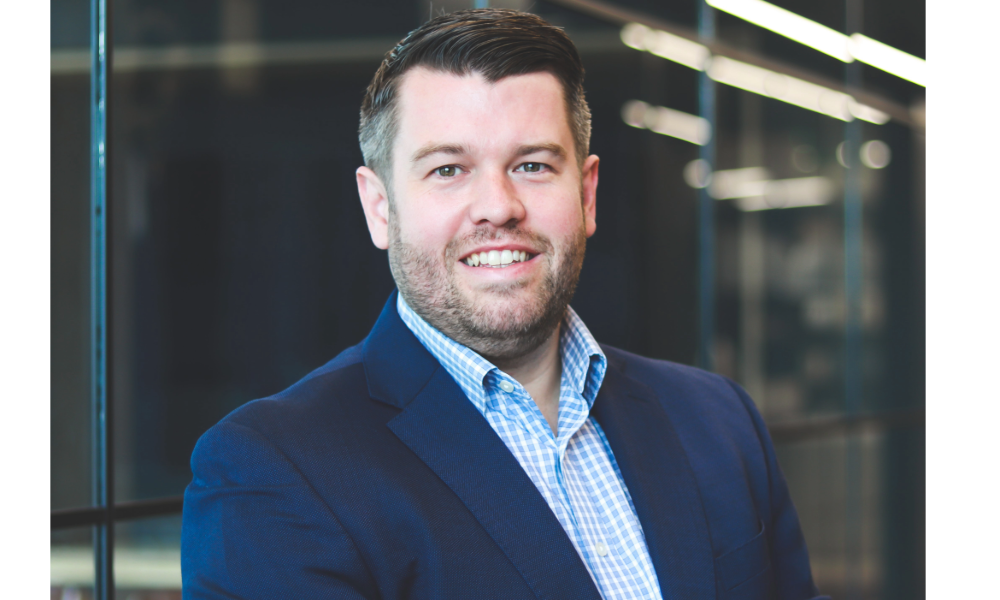
Comment Piece By John McHugh, Senior Director, Head of Place & Community, CBRE’s Property Management UK team
For years, workplace strategy revolved around efficiency. Occupancy levels, desk ratios and cost per square foot dominated conversations around office performance. Today, however, the challenge facing occupiers is fundamentally different: the office is no longer competing with the building next door; it is competing with home.
Vibrancy, Connection, Belonging – these are no longer aspirations for the workplace. They are essentials.
Hybrid working has permanently shifted expectations. Employees now make an active choice about whether commuting into a workplace feels worthwhile. That means offices must deliver something employees cannot easily replicate at home: connection, culture, energy and a sense of belonging.
This is changing the role of facilities management and workplace experience teams in profound ways.
The modern workplace is no longer judged solely on operational performance. Increasingly, it is being measured on emotional outcomes; whether people feel welcome, engaged and part of something bigger. In many organisations, belonging is quietly becoming the new workplace KPI.
This is where placemaking has moved from a “nice-to-have” amenity to a strategic business tool.
Too often, placemaking is misunderstood as simply adding visual appeal or organising occasional events. In reality, effective placemaking is about shaping environments that create meaningful human interaction. It is the process of turning workplaces into destinations rather than obligations. Placemaking is about transforming spaces into places people genuinely want to be part of – animated, welcoming and social.
Employees are far more likely to commute when workplaces provide experiences that feel energising, collaborative and socially valuable. The most successful office environments today create opportunities for spontaneous interaction, shared experiences and community-building throughout the working week.
At a business park in Manchester or a mixed-use estate in London, that might mean curated food markets, food festivals, wellbeing initiatives, cultural and bespoke events, networking opportunities or seasonal activations. But the real value lies beneath the activity itself. These experiences help create familiarity, strengthen workplace relationships and reinforce organisational culture in ways virtual meetings cannot fully replicate.
At its core placemaking brings places to life. It creates memorable experiences and supports everyday interactions that foster belonging.
Facilities management teams are increasingly central to this shift because workplace experience now sits alongside operational delivery. The physical environment must function efficiently, but it must also actively support engagement and retention.
In many ways, FM professionals have become custodians of workplace culture.
This is particularly important as businesses continue to navigate fluctuating attendance patterns. Mandating office attendance alone rarely creates meaningful engagement. Employees may comply, but compliance is not the same as connection.
Instead, organisations achieving stronger workplace attendance are typically those investing in environments people actively want to spend time in. They recognise that the commute must feel justified – professionally, socially and emotionally. We have seen the positive results in action across a varied portfolio of office buildings located across the UK.
Importantly, this does not necessarily require large-scale capital expenditure or dramatic redesigns. Often, the biggest impact comes from consistent programming, thoughtful activation and creating moments that encourage interaction. Small, but regular experiences can significantly influence how employees perceive their workplace and their relationship with it.
There is also a growing recognition that workplace experience directly supports wider business objectives. Organisations focused on attracting and retaining talent increasingly understand that culture is experienced physically as much as it is communicated verbally.
The office therefore becomes more than a place to work. It becomes a platform for collaboration, identity and community.
As hybrid working continues to evolve, the workplaces that succeed will be those that deliver more than desks and meeting rooms. They will provide atmosphere, vibrancy and opportunities for connection that employees cannot recreate remotely.
The future workplace is not simply about attendance. It is about creating environments where people feel they belong.
And in today’s market, that may be the most important performance metric of all.